
Mythos of the Island
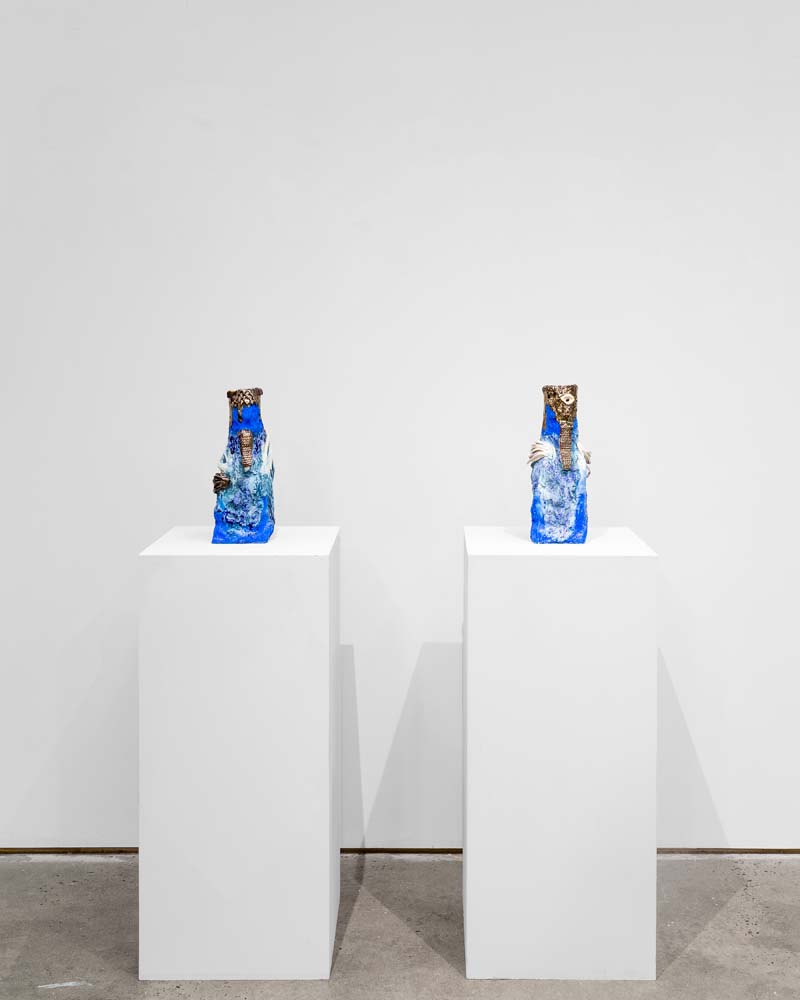
Mythos of the Island, 2022
Installation View
Images Courtesy James Makin Gallery
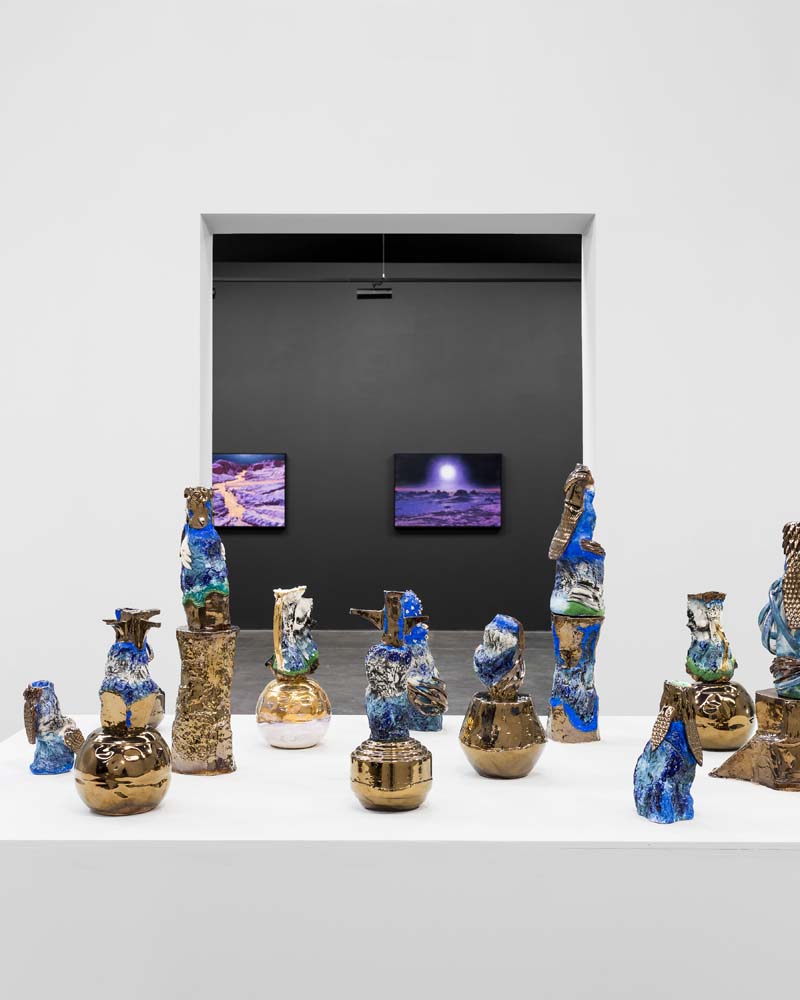
Mythos of the Island, 2022
Installation View
Images Courtesy James Makin Gallery
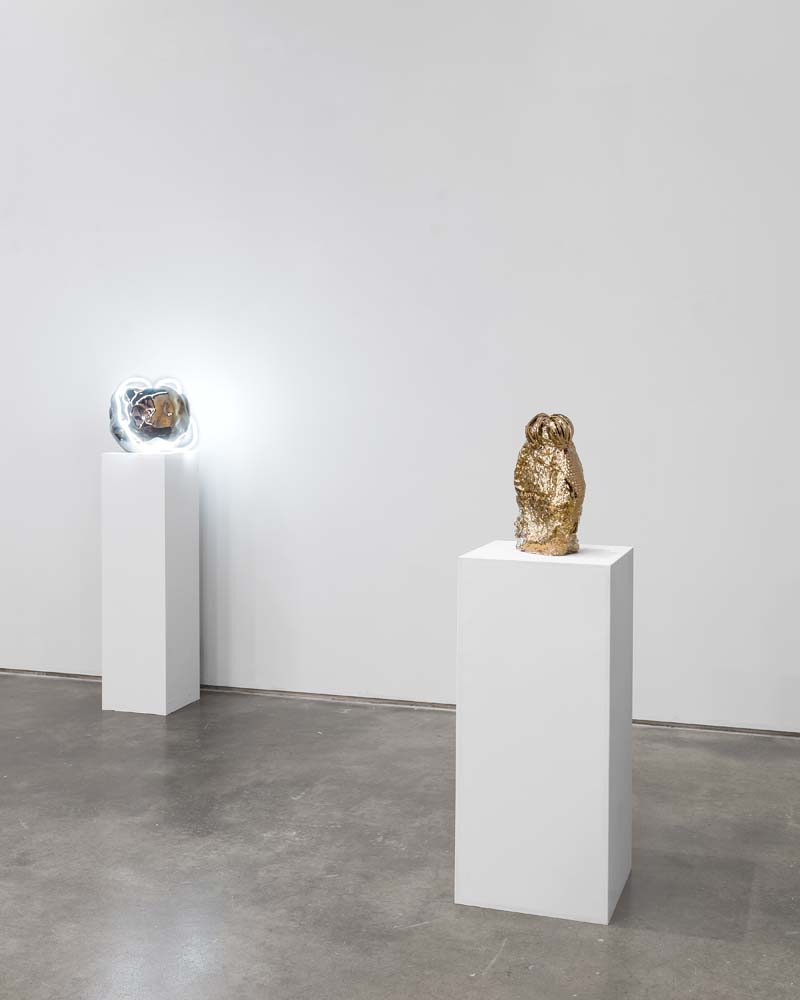
Mythos of the Island, 2022
Installation View
Images Courtesy James Makin Gallery
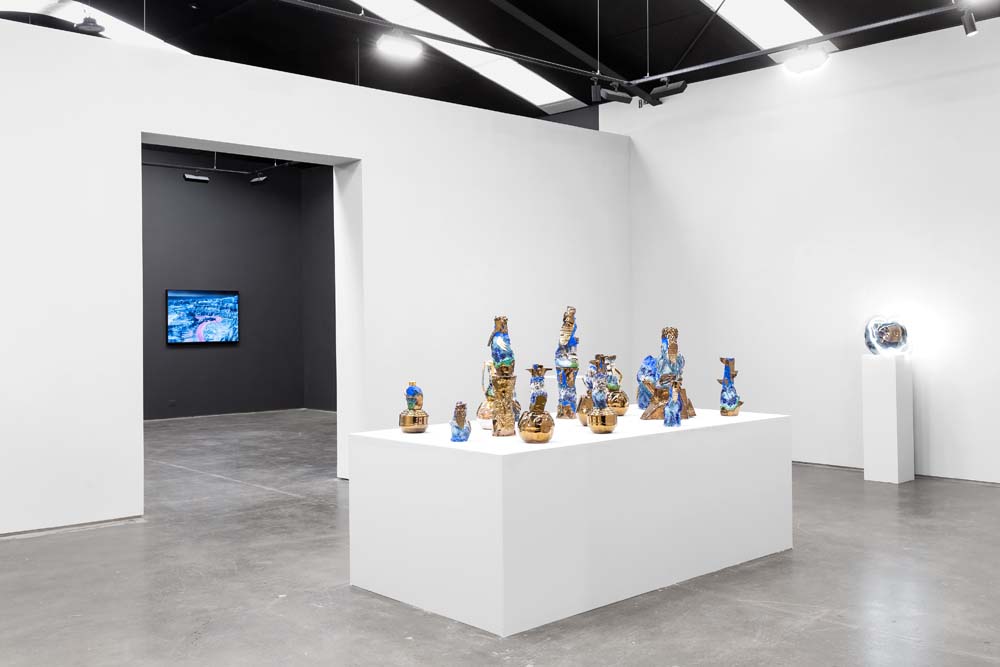
Mythos of the Island, 2022
Installation View
Images Courtesy James Makin Gallery
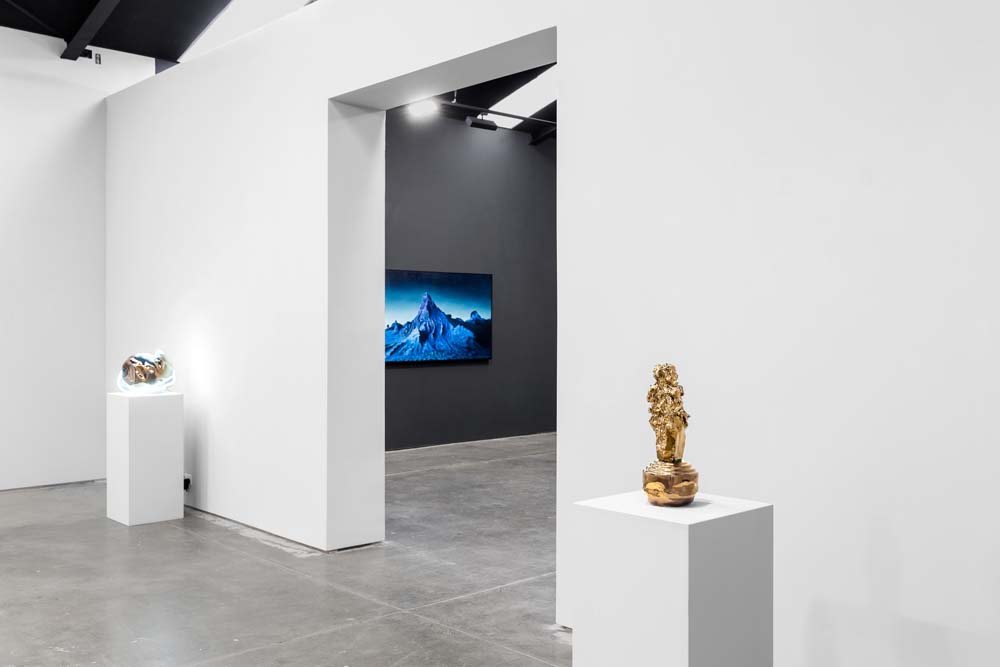
Mythos of the Island, 2022
Images Courtesy James Makin Gallery
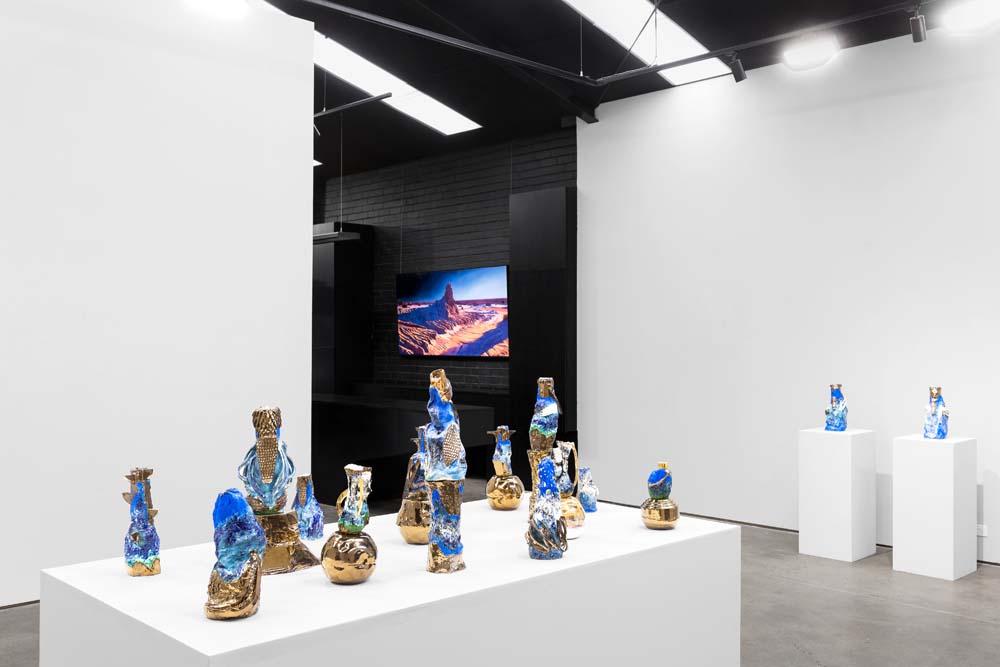
Mythos of the Island, 2022
Installation View
Images Courtesy James Makin Gallery
Ara Dolatian
20 Aug - 4 Sep 2022
Ara Dolatian’s interdisciplinary practice explores the relationship between cultural landscapes and the natural ecosystem. His ceramic works are hybrid ecosystems models of utopian cities and sculptural experiments. Dolatian’s work is also imbued with numerous ideas centred upon conceptions of ‘the studio’ and the conceptual domain of socio-environmental politics. His latest exhibition, Mythos of the Island, is a body of sculptural ceramic work inspired by archaeological relics.
Mythos of the Island examines cultural ecologies associated with lost and stolen artefacts within the Al- Jazira region, the area between the Euphrates and Tigris rivers, also known as Mesopotamia. The work is a tangible visual memory of sculptural deities, architectural forms and vessels; the intentions are not to replicate the pieces but draw from them. The ceramic objects are small enough to hold but are not embraceable. Eccentric forms with peculiar colour schemes, pleasing curves and fragile forms inspired by archaeological figures and decayed architectural sites.
After the U.S forces occupied Iraq – modern-day Mesopotamia – instability caused a booming trade in stolen artefacts, in addition to their outright destruction. A priceless Sumerian artefact, Lady of Warka, is the earliest known representation of the human face that dates back to 3100 BCE. It was stolen from the museum of Baghdad along with thousands of other antiquities. It is estimated that 7000 items have been returned to the museum, however 8000 are still missing. Thousands of other artefacts were taken directly from the ground at archeological sites. Assisting this proliferation of stolen artefacts is an absence of regulated certification standards in the market, “although a UNESCO conversion requires a proper certification for artefacts excavated and exported after 1970, auction websites generally don’t require sellers to make this certification available upfront to prospective buyers.”
In Mythos of the Island Dolatian seeks to reinstate some of this lost history, while at the same time highlighting the fragmented nature of its archives. It also pays homage to the foundational materials used and skillfully developed in ancient Mesopotamia. His use of bright blue glazes mirrors the use of Lapis Lazuli in Mesopotamian civilizations. Lapis showed early signs of global trade and commodification, this was probably the first-moment humanity had sufficient wealth and leisure to begin the quest for luxuries. The metamorphic structure of the lapis lazuli found in the region seems to indicate that it may have come from mines in Afghanistan, an area of over more than 1200 miles of rugged mountains and extensive deserts. Generally blue is a rare colour in nature, lapis lazuli is often regarded by scholars as a luxury burial item found in the graves of Mesopotamia’s elites and royal family members. However, the symbolic significance of lapis lazuli has rarely been investigated.
Beyond the decorative components of Mesopotamian objects, clay was a common and essential material that was widely used for many purposes. It was used for pottery, building and recording history through the use of clay tablets. Significantly, the logo-syllabic script found on these clay tablets, cuneiform, is the first written language known in history. The Mesopotamians developed their skills in pottery over thousands of years and from the first use of clay in Mesopotamia, there were interesting shifts between carefully handcrafted objects and the invention of the pottery wheel, which introduced the ability to mass produce functional and decorative objects. The works in this exhibition demonstrate the cultural significance of clay and the evolution of its forms. Dolatian’s sculptures are handbuilt and carefully painted using oxides, glazes, and lusters, while repeated spherical objects sit in contrast to more irregular forms, highlighting the early shifts between the carefully handmade and the mass-produced.
In Mythos of the Island, Dolatian has wielded functional materials of clay and lapis blue to contrive figurative elements in the work – a new introduction to the artist’s practice. Large prominent eyes, wings, long beards and animalistic gestures combined with human forms to create mythical beings and hybrid entities. This is a reflection upon deities that have evolved and morphed into new figures in the region, deities that were almost exclusively anthropomorphic. Ancient Mesopatamians believe that deities lived in Heaven, but the physical statues were a physical embodiment of the gods.
Mythos of the Island was on display from 20 August to 4 September at James Makin Gallery, Melbourne.
This project was supported by the Australia council for the Arts and Creative Victoria